In the ever-evolving landscape of personal AI assistants, Moltbot, the brainchild of Peter Steinberger, has emerged as a significant player. Transitioning from its previous name Clawdbot, this open-source assistant promises a blend of autonomy and functionality while integrating seamlessly with popular messaging platforms such as WhatsApp, Slack, and iMessage. As this innovative tool garners attention for its capabilities and growth—boasting over 93,000 stars on GitHub—it simultaneously raises red flags regarding user privacy and security vulnerabilities. This blog post delves deep into the core features of Moltbot, its reception, recent developments, and the security critiques that cannot be overlooked.
The Evolution of Moltbot: From Clawdbot to a New Identity
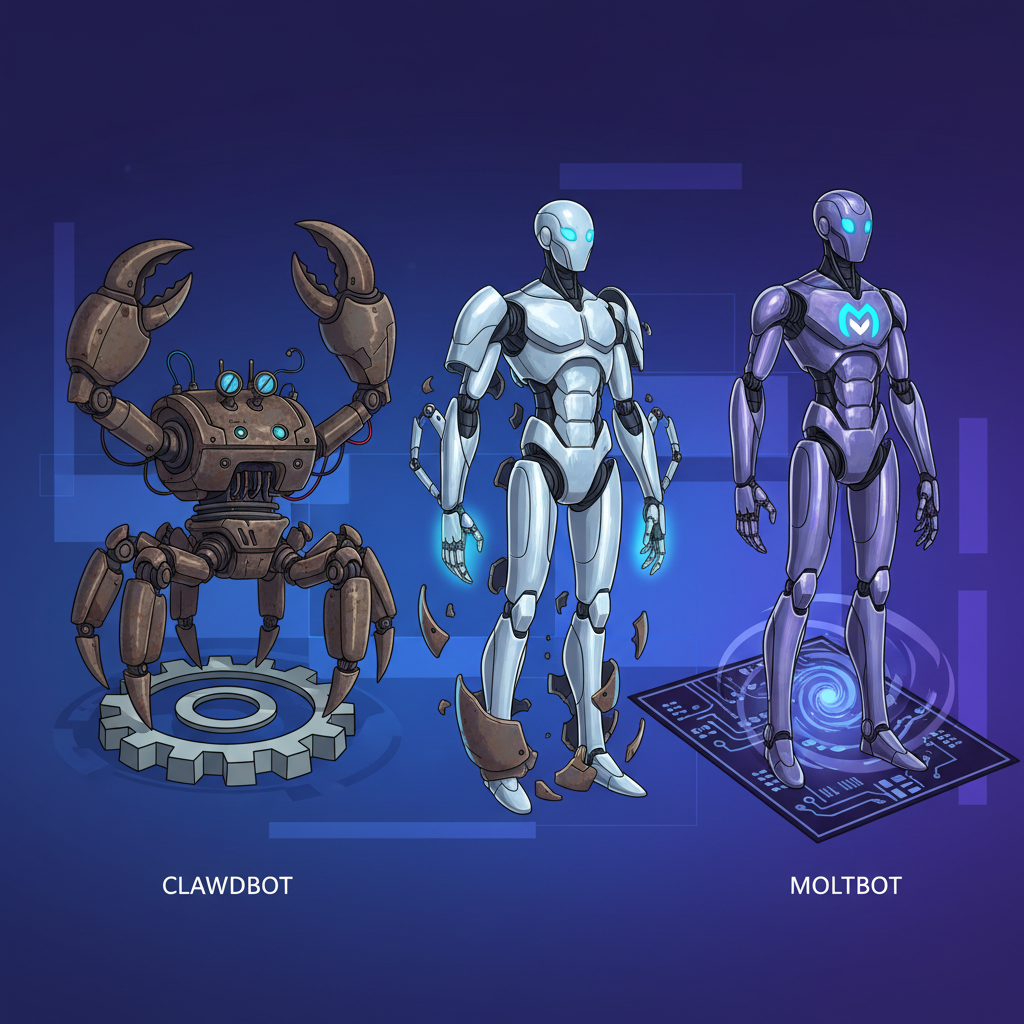
Moltbot, originally branded as Clawdbot, has undergone significant rebranding due to trademark disputes, particularly with Anthropic's AI, Claude. This transition occurred in January 2026, where it adopted the name Moltbot to shed its past associations and solidify its place within the crowded AI marketplace. The rebranding was not merely cosmetic; it reflected the platform's rapid growth and the burgeoning interest in AI systems that prioritize user-centric design. The core philosophy behind Moltbot's development rests on a local-first architecture, ensuring that sensitive user data remains on personal devices. This approach addresses a growing concern among users regarding data privacy, particularly in a digital age where data breaches and unauthorized access are increasingly common. With capabilities that extend beyond traditional personal assistants—engaging in proactive research, task management, and even coding—Moltbot's vision aims to redefine user interactions with technology.
Moltbot’s Features: An AI Assistant Like No Other

What sets Moltbot apart from many other AI assistants is its remarkable integration with popular communication platforms, enabling it to manage tasks through intuitive messaging interfaces. Users can leverage Moltbot to orchestrate complex schedules, engage in automated workflows, and even conduct research—all from the comfort of their preferred messaging platform. This flexibility has contributed to its ascent as a go-to solution for individuals seeking a sophisticated assistant that operates behind the scenes yet remains highly interactive. Additionally, Moltbot stands out due to its proactive functionalities. Not only does it handle routine tasks, but it can also analyze data trends and offer insights, transforming it into a powerful tool for business and personal use alike. However, with its extensive access to user data and deep system integration, concerns around security and privacy have been raised, warranting close scrutiny of its operational protocols.
Security Risks: A Growing Concern for Users

Despite the advantages offered by Moltbot, its integration and access to user data have raised significant security alarms. Researchers have pointed to several vulnerabilities, including misconfigured public deployments that inadvertently expose sensitive information such as API keys and private conversation histories. These security lapses are alarming, especially given the range of tasks Moltbot is designed to manage, which could include accessing financial data or confidential communications. In late January 2026, the situation escalated when security experts discovered a rise in malware attacks targeting Moltbot users. Malicious actors exploited the assistant's popularity, circulating fake versions under misleading titles, complicating the already challenging landscape of cybersecurity in the AI domain. The distribution of malware through platforms such as Visual Studio Code emphasizes the critical need for users to remain vigilant and discerning when interacting with such AI tools.
The Community Response: Navigating the Challenges

As discussions surrounding Moltbot's security risks gather momentum, the community’s response has been insightful and proactive. Users and developers alike have engaged in dialogues surrounding best practices for using the assistant without exposing themselves to unnecessary risk. Recommendations include ensuring adequate system configurations and only utilizing trusted resources when downloading extensions or updates related to Moltbot. Furthermore, Peter Steinberger has publicly distanced the legitimate Moltbot project from scams leveraging its name to exploit users, particularly in the cryptocurrency space. His vocal stance against these unscrupulous tactics reflects a commitment to not only improving the assistant but also educating users on potential pitfalls. The Malicious OpenClaw developments have also prompted discussions about the ethical responsibilities that come with creating and managing advanced AI systems, emphasizing the need for robust cybersecurity measures.
Conclusion
In conclusion, Moltbot stands at the forefront of personal AI technology, promising advanced capabilities and a local-first design approach that enhances privacy. However, its rapid rise garners both admiration and concern, particularly with the emergence of security vulnerabilities and malware exploits. As the project evolves, both the development team and the user community must address these challenges head-on to ensure that this promising assistant can deliver on its potential while safeguarding user data. With mindful engagement and a commitment to responsible AI practices, Moltbot can navigate the complexities of the digital landscape and remain a trusted companion in users' daily lives.